Finding Affordable Assisted Living in St Louis: A Practical Guide for Families
When a parent or spouse starts needing help with daily tasks, the search for senior care can feel overwhelming. In the St Louis metro area, families often balance concerns about quality with the very real pressure of cost. The phrase "affordable assisted living St Louis" comes up in many conversations, but what does it actually mean on the ground? It does not mean the cheapest option available. It means finding a place where the care is good, the environment feels right, and the monthly expenses fit within a budget that does not drain a lifetime of savings.
I have spent years helping families navigate these decisions. The first thing I tell them is that price and quality are not always directly linked in senior care. Some of the most expensive facilities in the area offer services that many residents never use. Meanwhile, smaller, family-run homes often provide attentive care at a fraction of the cost. The key is knowing what to look for and where to start.
Understanding the St Louis Senior Care Landscape
The St Louis area has a wide mix of senior housing options. At one end are large nursing homes and sprawling assisted living campuses with amenities like pools, restaurants, and scheduled activities. These can cost five to seven thousand dollars a month or more. At the other end are supportive living arrangements, often tied to state programs, and small-scale cottage-style homes that house six to twelve residents. These smaller settings are where you are most likely to find truly affordable assisted living in St Louis that still maintains a high standard of care.
Missouri has a supportive living program that helps low-income seniors pay for room and board in certain licensed homes. This program is separate from Medicaid, though Medicaid can also help cover some medical costs. Not every facility accepts these payments, and waiting lists can be long. Still, for families with limited resources, supportive living is a path worth exploring. The directory approach many families use now allows them to filter by payment type, location, and services offered, which saves time and reduces the stress of calling dozens of places.

What Makes a Home Affordable Without Sacrificing Care?
True affordability in senior care comes from smart design, not from cutting corners. A cottage-style home, for example, keeps overhead lower than a large institutional building. Fewer residents mean less staff turnover, lower utility costs, and a simpler management structure. Those savings often pass directly to the family. In my experience, homes that are family run and small scale tend to have more stable pricing. They do not change rates every six months to match corporate targets. They set a fair price and stick with it, as long as the resident's needs do not change dramatically.
That said, families must still ask hard questions. Does the monthly fee include all meals, utilities, and personal care assistance? Or are there add-ons for medication management, laundry, or incontinence supplies? Pricing transparency is not universal in this industry. Some homes advertise a low base rate and then layer on charges for everything else. A truly affordable assisted living St Louis home will give you a clear, written breakdown of costs before you commit. If they hesitate or give vague answers, that is a red flag.
The Role of Memory Care in Affordable Settings
Dementia and Alzheimer's disease add another layer of complexity. Memory care units in large facilities often cost twenty to thirty percent more than standard assisted living. That premium can push a family's budget past its breaking point. But here is something many people do not know: smaller homes that offer memory care within a cottage-style setting often charge less than dedicated memory care wings in big buildings. The reason is simple. They do not have the same real estate and administrative overhead. They also train every staff member to handle dementia behaviors, so they do not need a separate, more expensive team.
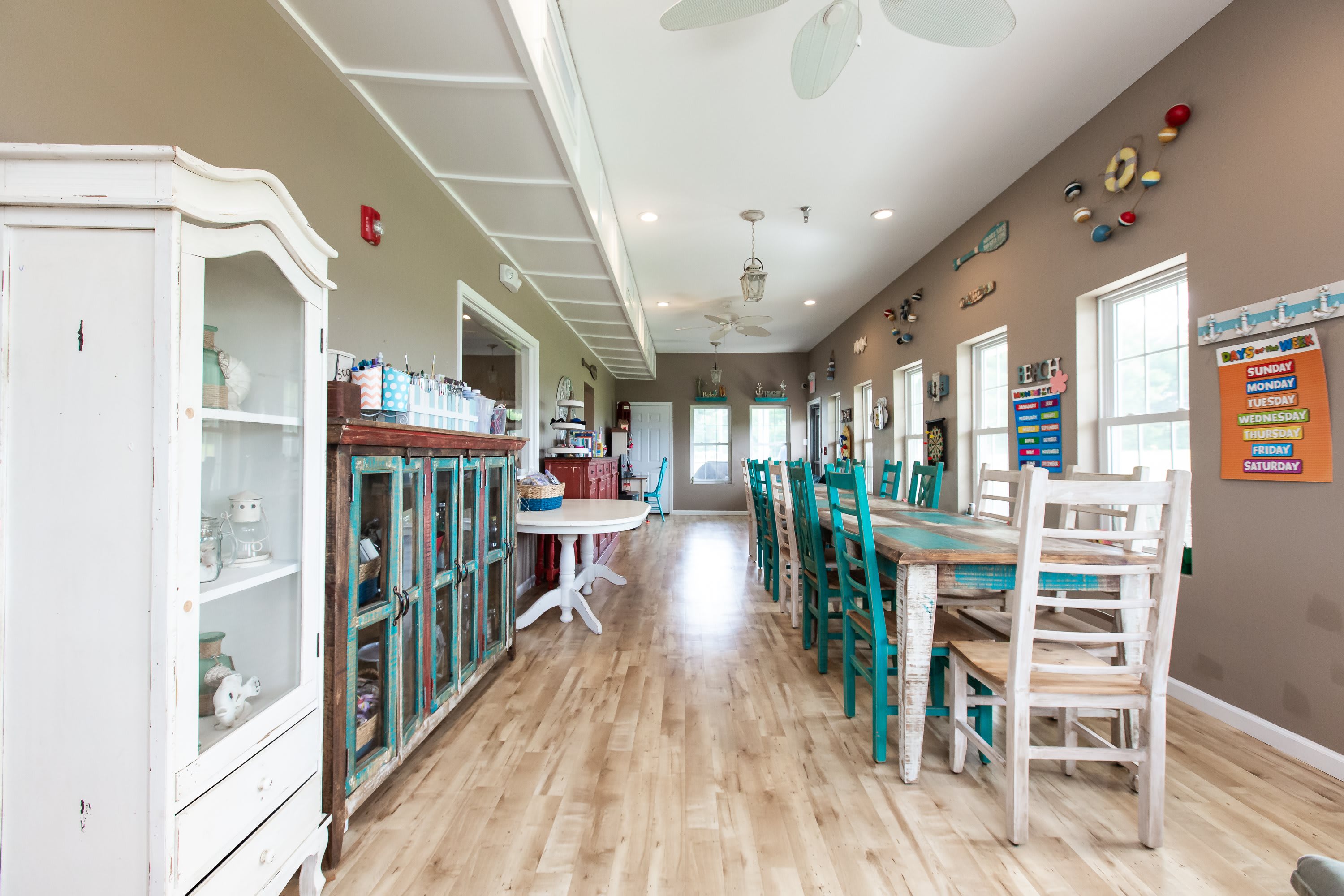
I have visited family-run homes where the owner lives on site and knows every resident by name. In those homes, a person with dementia is not a "memory care patient"; they are a member of a small household. That kind of environment can be more calming for the elderly person and less stressful for the family. It also tends to be more affordable because the model is not built around profit margins but around care. For families searching for affordable assisted living St Louis options, these homes are worth a closer look.
Practical Steps for Your Search
Begin by making a list of what you truly need. Not what a brochure tells you to want. Does your loved one need help with bathing and dressing? Do they need three meals prepared daily? Is there a diagnosis of dementia that requires a secure environment? Once you have that list, start calling homes directly. Ask about their rate structure, what is included, and whether they accept Medicare or Medicaid for any portion of the care. Most assisted living is not covered by Medicare, but some personal care services may be. Medicaid can help in certain situations, especially for nursing home level care, but the rules in Missouri are strict.
Use an online directory that focuses on small-scale and family-focused care. These directories often let you filter by location, price range, and services. They also tend to include reviews from actual families, which is more reliable than a facility's own marketing. When you find a few promising options, visit in person. Go during a meal time. Talk to residents if they are able. Observe how staff interact with them. A home that feels warm and calm is worth more than one with a fancy lobby.

Why Small Scale Often Wins for Value and Quality
There is a reason the cottage style and family run models are growing in popularity. They offer something that large facilities struggle to provide: continuity. In a home with ten residents, the same caregiver might be there every day. That person knows when a resident is having a bad day, what their favorite food is, and how to calm them down. That consistency reduces anxiety for the elderly person and builds trust. It also reduces the need for expensive agency staff, which keeps costs down.
Another advantage is flexibility. A small home can adjust a care plan without a committee meeting. If a resident needs extra help after a fall, the owner can rearrange schedules and add support without raising the rate immediately. In larger facilities, any change triggers a reassessment and often a price increase. For families on a fixed income, that stability is invaluable.
Questions to Ask Before Making a Decision
When you tour a home, bring a list of specific questions. Here are a few that will tell you a lot:
- What is the staff-to-resident ratio during the day and at night?
- How do you handle a resident whose needs increase over time? Is there a rate change?
- Can you provide a complete list of monthly fees in writing before we move in?
- How do you manage medications and doctor appointments?
- What training do staff members have for dementia or memory care?
These questions cut through marketing and get to the reality of daily life. A home that answers them clearly and without defensiveness is likely to be transparent in other areas too. That kind of openness is the foundation of a good relationship between the family and the care provider.
Supporting Caregivers Along the Way
Families often forget to take care of themselves during this process. Caregiver support is essential, not optional. The stress of finding a home, moving a loved one, and then monitoring their care can wear anyone down. Local support groups in the St Louis metro area meet regularly, and many are free. Some are hosted by senior centers, others by religious organizations. Even one conversation with someone who has been through it can make a difference.
There are also resources online that help families compare homes and read honest reviews. These directories and forums are not perfect, but they are a starting point. When used alongside in-person visits and conversations with care providers, they give a fuller picture of what a home is really like.
Final Thoughts on Finding Affordable Assisted Living in St Louis
The search for affordable assisted living St Louis homes does not have to be a series of dead ends. It takes time, patience, and a willingness to look beyond the big names. The homes that offer real value are often the ones that do not spend money on advertising. They rely on word of mouth and the reputation they build with every family they serve. Those are the places where you will find a balance between cost and compassion.
Start your search with a clear budget, a list of must-haves, and an open mind. Visit small homes. Talk to the owners. Ask about pricing transparency and what happens if needs change. The right fit is out there. It may not look like a resort, but it will feel like home. And that is what matters most.